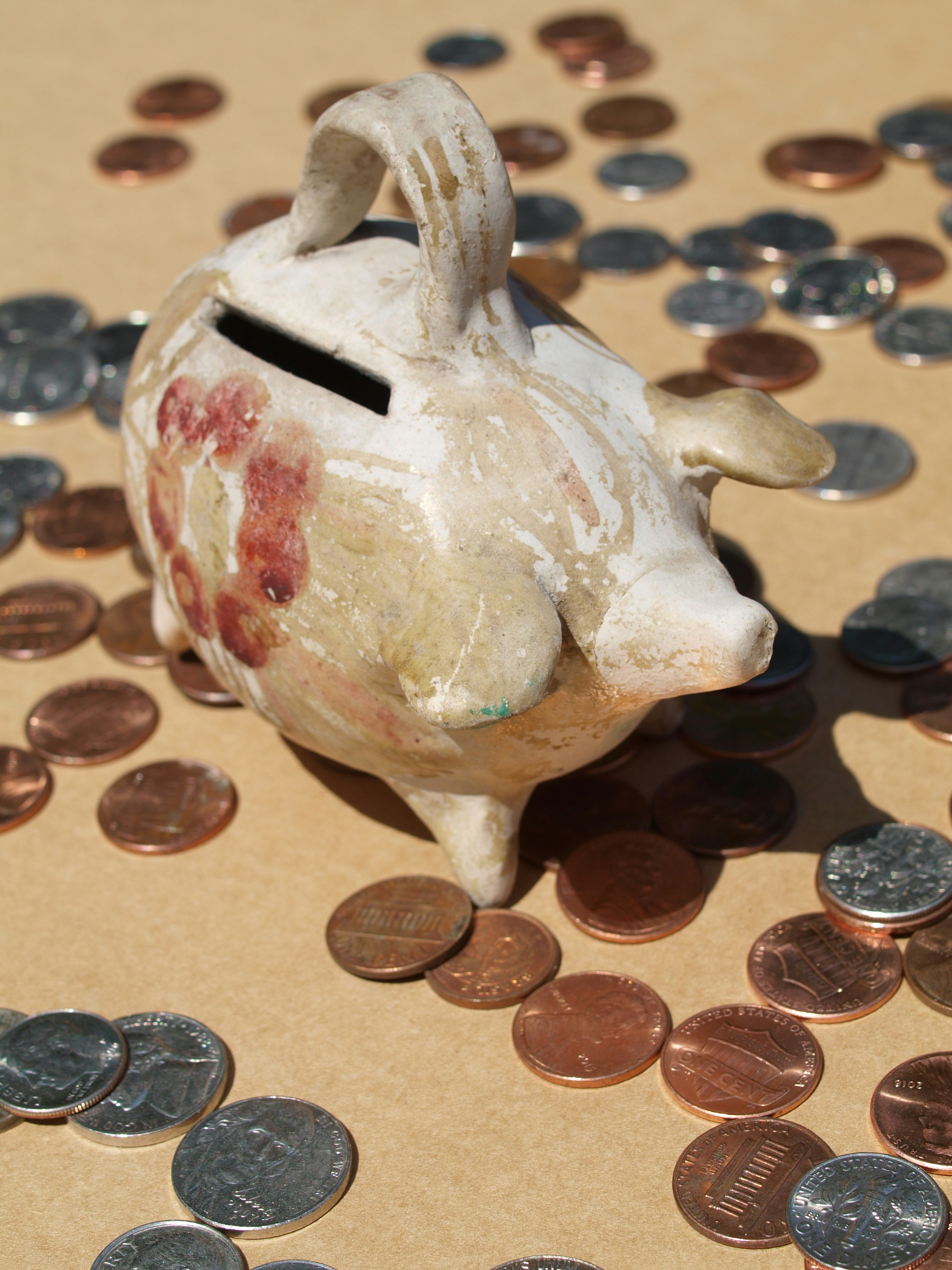
Why the 50-30-20 Rule Fails Emotional Spenders (And What Actually Works)
Why the 50-30-20 Rule Fails Emotional Spenders (And What Actually Works)
Why the 50-30-20 Rule Fails Emotional Spenders (And What Actually Works)
Quick Answer: The traditional 50-30-20 budget rule (50% needs, 30% wants, 20% savings) doesn't work for emotional spenders because it ignores the psychology behind spending. A modified 50-30-20 approach that incorporates emotional awareness, trigger management, and flexible categories can work—but only when paired with understanding WHY you spend.
Table of Contents
- What Is the 50-30-20 Rule?
- Why It Fails Emotional Spenders
- The Psychology Problem
- The Modified 50-30-20 for Emotional Spenders
- Real-World Examples
- Making It Work: The E.M.O.T.I.O.N Framework
- Alternative Approaches
- FAQ
What Is the 50-30-20 Rule?
The 50-30-20 rule is personal finance's favorite child. Created by Senator Elizabeth Warren and her daughter Amelia Warren Tyagi, it breaks down your after-tax income into:
- 50% Needs: Rent, utilities, groceries, insurance
- 30% Wants: Entertainment, hobbies, dining out
- 20% Savings: Emergency fund, retirement, debt payoff
It sounds perfect. Clean. Mathematical. Logical.
And for emotional spenders, it's about as useful as telling someone with anxiety to "just calm down."
Why It Fails Emotional Spenders
The Categories Don't Match Reality
When you're an emotional spender, the line between "needs" and "wants" isn't clear. That stress-induced Target run? Your brain classified it as a need—a need for dopamine, comfort, control.
Traditional thinking: "Coffee is a want"
Emotional spender reality: "Coffee is how I cope with existing in capitalism"
It Ignores Emotional States
The 50-30-20 rule assumes you make consistent, rational decisions. But emotional spenders' purchasing patterns look more like:
- Monday (anxious): $3 coffee
- Tuesday (okay): $0
- Wednesday (stressed): $147 online shopping
- Thursday (guilty): $0
- Friday (TGIF mood): $89 "celebrating"
Your spending isn't consistent because your emotions aren't consistent.
The Shame Spiral
When you inevitably "fail" the 50-30-20 rule:
- Spend 45% on wants during a bad week
- Feel ashamed
- Avoid looking at finances
- Stress rises
- Emotional spending increases
- Repeat
According to behavioral finance research (2024), 68% of emotional spenders who try strict budgeting rules report increased anxiety and higher impulsive spending within 60 days.
It's Built for Steady Income
The 50-30-20 rule assumes:
- Predictable monthly income
- Stable expenses
- Consistent emotional states
- Linear financial progress
Emotional spenders often have:
- Variable income (gig work, commission)
- Irregular expenses (emotional emergencies)
- Fluctuating mental health
- Two-steps-forward-one-step-back progress
The Psychology Problem
Your Brain on Emotional Spending
When you're emotionally activated, your prefrontal cortex (the rational decision-maker) goes offline. Your amygdala (the emotional center) takes over. In this state:
- 50% for needs? Your brain: "Everything feels like a need right now"
- 30% for wants? Your brain: "I WANT to feel better"
- 20% for savings? Your brain: "Future me can deal with that"
The Deprivation Trigger
Rigid budgets activate the psychological reactance theory—when we feel restricted, we rebel. It's why diets fail and why telling yourself "I can't buy anything fun" leads to buying everything fun.
Emotional spenders already feel deprived:
- Deprived of security (financial anxiety)
- Deprived of joy (using shopping as medicine)
- Deprived of control (life feels chaotic)
Adding budget deprivation to emotional deprivation? Recipe for disaster.
The Modified 50-30-20 for Emotional Spenders
The Flexible Framework
Instead of rigid categories, create ranges:
Base Structure:
- 45-55% Needs (including emotional regulation tools)
- 25-35% Wants (with built-in impulse buffer)
- 15-25% Future You (savings + debt + dreams)
Redefining Categories
Needs (45-55%) Include:
- Traditional needs (rent, utilities, groceries)
- Therapy or mental health apps
- One consistent comfort ritual (daily coffee, gym membership)
- Emotional regulation tools (meditation apps, books)
- Connection costs (phone bill for support network)
Wants (25-35%) Include:
- Planned treats (scheduled, not impulsive)
- Impulse buffer (5-10% specifically for unplanned emotional purchases)
- Experience fund (concerts, dinners with friends)
- Hobby supplies (creative outlets for emotions)
- Random joy (because life needs spontaneity)
Future You (15-25%) Include:
- Fuck It Fund (emergency savings with attitude)
- Escape Plan Money (savings that feels like freedom)
- Dream Fund (something to look forward to)
- Debt Destruction (if applicable)
- Future Self Care (retirement, but make it less boring)
The Weekly Float System
Instead of monthly budgets, work in weeks:
Week 1: 50-30-20 goal
Week 2: Emotional week? 55-35-10 is okay
Week 3: Recovery week: 45-25-30
Week 4: Balance it out
Monthly average: Close to 50-30-20
Weekly reality: Flexible and forgiving
Real-World Examples
Sarah, 32, Anxiety Shopper
Traditional 50-30-20 Attempt:
- Needs: $2,500 (50%)
- Wants: $1,500 (30%)
- Savings: $1,000 (20%)
- Result: Spent $2,200 on "wants" during panic attack week, gave up
Modified Emotional 50-30-20:
- Needs + Emotional Regulation: $2,750 (55%)
- Includes therapy and daily coffee ritual
- Wants with Buffer: $1,250 (25%)
- Includes $250 impulse buffer
- Future Self: $1,000 (20%)
- Named it "Fuck This Job Fund"
- Result: Staying on track for 4 months, less guilt, more awareness
Marcus, 28, ADHD Impulse Buyer
Traditional 50-30-20 Attempt:
- Rigid categories
- Manual tracking
- Result: Forgot it existed after 5 days
Modified Emotional 50-30-20:
- Automated transfers day after payday
- Needs account: 50% auto-transferred
- Fun account: 30% for whatever (no categories)
- Future account: 20% hidden from view
- Result: Works because it requires zero maintenance
Jennifer, 41, Stress Spender
Traditional 50-30-20 Attempt:
- Tried to cut "wants" to save more
- Result: Stress spending increased by 40%
Modified Emotional 50-30-20:
- Week 1-2: 45-35-20 (knowing work is stressful)
- Week 3-4: 50-25-25 (after payday calm)
- Built in "Stress Week" expectations
- Result: Reduced shame, actual savings increased
Making It Work: The E.M.O.T.I.O.N Framework
E - Evaluate Your Patterns
Track for two weeks WITHOUT changing anything:
- When do you emotionally spend?
- What triggers it?
- How much is it really?
Data, not judgment.
M - Map Your Emotional Needs
What are you actually buying?
- Control? Build it into "needs"
- Joy? Schedule it in "wants"
- Security? Focus on "savings"
O - Organize Flexibly
Create your modified percentages:
- Bad month baseline
- Good month goals
- Reality somewhere between
T - Track Feelings, Not Just Dollars
Note your emotional state with purchases:
- 😰 Anxious
- 😴 Bored
- 😊 Happy
- 😤 Angry
- 😔 Sad
I - Implement Slowly
- Week 1: Just observe
- Week 2: Try the categories
- Week 3: Adjust percentages
- Week 4: Find your rhythm
O - Optimize Based on Reality
Your 50-30-20 might be:
- 52-28-20 in winter (seasonal depression)
- 48-32-20 in summer (social spending)
- 50-30-20 average for the year
N - Normalize Imperfection
Success isn't hitting 50-30-20 perfectly.
Success is understanding your patterns and making conscious choices.
Alternative Approaches
The 80-20 Method
- 80% Fixed expenses + savings (automated)
- 20% Whatever you want (no categories)
Best for: People who hate tracking
The Priority Method
- Pay yourself first (savings)
- Pay bills
- Spend what's left guilt-free
Best for: Simplified approach lovers
The Values-Based Budget
- Align spending with top 3 values
- No percentages, just priorities
Best for: Purpose-driven spenders
The Envelope System 2.0
- Digital "envelopes" for different moods
- Stressed envelope: $200
- Happy envelope: $150
- Bored envelope: $100
Best for: Visual processors
The No-Budget Budget
- Track spending patterns
- Identify problem areas
- Make micro-adjustments
- No categories or percentages
Best for: Budget rebels
The Emotional Spender's Bill of Rights
-
You have the right to spend emotionally sometimes
(Within reason, with awareness)
-
You have the right to flexible categories
(Coffee can be a need if it keeps you functional)
-
You have the right to fail and retry
(Without shame or starting from zero)
-
You have the right to prioritize mental health
(Even if it means less savings temporarily)
-
You have the right to define your own success
(Progress over perfection)
FAQ
Q: Is the 50-30-20 rule bad for everyone?
A: No, it works well for people with steady emotions, consistent income, and natural budgeting tendencies. It fails when it meets emotional complexity.
Q: How do I know if I'm an emotional spender?
A: If your spending patterns correlate more with your mood than your budget, you're likely an emotional spender. If you've ever bought something to change how you feel, welcome to the club.
Q: Can I ever follow a "normal" budget?
A: Define normal. Your budget should work for YOUR brain and life. That might mean modified 50-30-20, or something completely different.
Q: What if I can't even save 10%?
A: Start with 1%. Then 2%. Build the habit before the amount. Saving $20/month consistently beats planning to save $200 and saving $0.
Q: Should I use apps to track the 50-30-20?
A: If apps work for you, yes. But emotional spenders often do better with automated systems that don't require daily engagement.
Q: What if my needs are genuinely more than 50%?
A: Then they are. Life is expensive. Adjust the percentages to reality, not Instagram finance guru fantasy. Maybe yours is 60-25-15 right now. That's okay.
Q: How long before this gets easier?
A: Most emotional spenders report it takes 3-4 months to find their rhythm. Be patient. You're rewiring both habits AND emotional patterns.
The Truth About Budgets and Emotions
Here's what no finance blog will tell you: Budgets don't fix emotional spending because budgets don't fix emotions.
The 50-30-20 rule—modified or not—is just a framework. It's not therapy. It's not a cure for anxiety. It's not a solution to the systemic issues that make us seek comfort in consumption.
What it can be is a flexible structure that acknowledges your humanity while helping you make progress.
You're not broken for struggling with the 50-30-20 rule.
You're a human being trying to navigate late-stage capitalism with a nervous system that wasn't designed for constant stimulation and threat. Sometimes that means you spend 40% on wants because existing is hard.
The goal isn't perfection. It's awareness. It's gentleness. It's progress.
And maybe, eventually, it's something close to 50-30-20.
But if it's not? If your perfect budget is 52-33-15 or 48-27-25 or "I just try to save something"?
That's okay too.
Your Next Step
Don't try to implement the 50-30-20 rule tomorrow.
Instead:
- Track your spending for one week without judgment
- Note your emotions alongside purchases
- Look for patterns
- THEN decide if and how to modify the 50-30-20
Remember: The best budget is the one that acknowledges who you are, not who you think you should be.
Ready to Understand Your Emotional Spending?
Impause helps you identify the emotions behind your spending patterns—no rigid budgets required. Our Purchase Pulse feature lets you track not just what you buy, but why you buy it.
Because understanding your patterns is more powerful than any percentage will ever be.
Start your free trial and discover what really drives your spending.
Sources:
- Journal of Behavioral Finance (2024): "Emotional Regulation and Financial Decision Making"
- Consumer Psychology Review (2024): "The Failure of Traditional Budgeting for Emotion-Driven Consumers"
- Financial Therapy Association (2025): "Adapting Financial Frameworks for Mental Health"
Last Updated: November 2025
Author: Impause Behavioral Finance Team