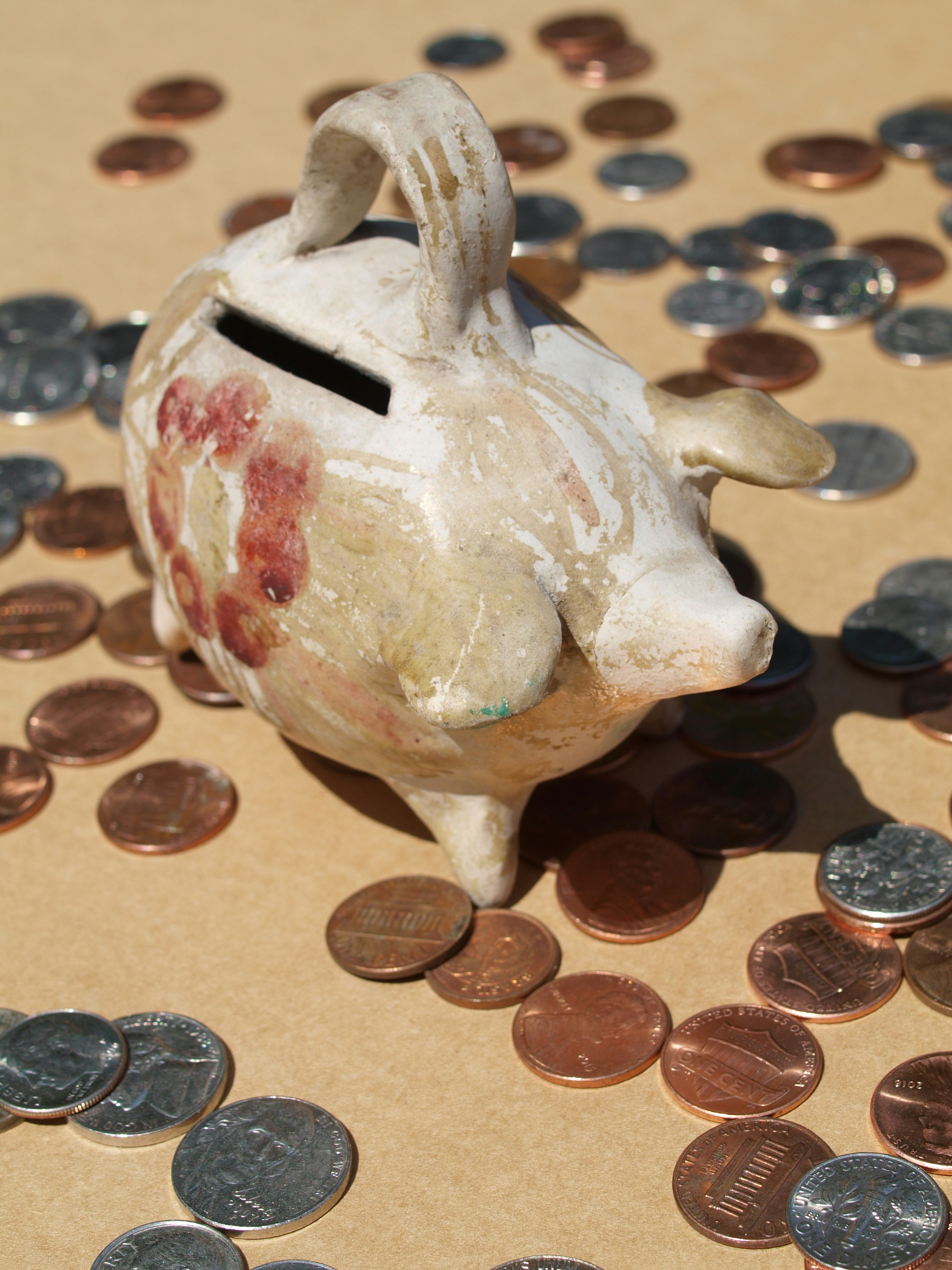
How to Stop Spending Money on Amazon
Your Amazon order history tells a story you probably don't love. Same-day delivery, one-click checkout, "customers also bought" — if you're trying to…
Your Amazon order history tells a story you probably don't love. Same-day delivery, one-click checkout, "customers also bought" — if you're trying to figure out how to stop spending money on Amazon, the first thing to understand is that every feature on that platform exists to make buying effortless. You're not fighting a lack of discipline. You're up against a trillion-dollar machine that's been engineered to get you to click "Buy Now."
Just a design fact worth knowing.
Why Amazon is designed to make you spend
Amazon didn't stumble into being the largest online retailer. The shopping experience is built around one principle: eliminate every moment of hesitation between wanting something and owning it.
One-click ordering removes the pause where second thoughts live. Personalized recommendations create a feed that feels like it's reading your mind. Lightning Deals activate loss aversion — your brain processes a time-limited discount as something being taken away, not something being offered. And Subscribe & Save quietly turns one-time purchases into recurring charges you stop noticing after the second month.
Behavioral economists call this choice architecture — designing environments to nudge decisions in a specific direction. Amazon's version is optimized for one outcome: more purchases, more often. Knowing this matters because it reframes the problem. You're not weak for overspending on Amazon. The environment was built to produce exactly that result.
The friction audit
If Amazon's strategy is removing friction, yours is adding it back. These are specific to Amazon, not generic advice.
Remove your saved payment methods. Re-entering your card number creates a 30-second window where your prefrontal cortex can catch up with the impulse. That pause is often enough.
Turn off one-click ordering. Go to Your Account → 1-Click Settings → Disable. This forces a cart → checkout → confirm sequence. Three steps instead of one. Each step is a chance to reconsider.
Unsubscribe from deal emails. Every "Deal of the Day" is an urgency trigger you didn't ask for, landing in your inbox and manufacturing a problem that didn't exist five seconds ago.
Move the app off your home screen. Even one extra tap reduces how often you open it. Small increases in effort have outsized effects on habitual behavior — this is one of the most replicated findings in behavioral science.
Audit your Subscribe & Save list. Go look at it right now. Most people find at least one thing they forgot was auto-shipping. That protein powder from your January health kick? Still coming every month.
The 48-hour cart rule
This is the single most effective hack for Amazon impulse buying: when you want something, add it to your cart. Then close the app. Come back in 48 hours.
Here's what happens. The urge to buy is powered by anticipation — your brain releases dopamine when you imagine having the thing, not when it shows up in a brown box two days later. That anticipation peaks at the moment you discover the product and fades fast. Within 48 hours, most "urgent" purchases don't feel urgent anymore.
If you come back and still want it, buy it. This isn't about never purchasing anything. It's about giving your brain time to sort real needs from dopamine-driven impulses.
What Amazon is actually costing you
Individual purchases feel small. $19 here. $34 there. The numbers don't register because Amazon is designed to keep each transaction feeling minor.
But they compound. And this is where impause's Shopportunity Cost Calculator does something useful — it takes your spending and translates it into concrete alternatives. The point isn't guilt — it's seeing the actual number. That $30/week Amazon habit is $1,560 a year. A round-trip flight. Four months of a hobby you keep saying you'll start.
Most people who see their annual Amazon number have a genuine "oh" moment. Not shame — just clarity. And clarity turns out to be a better motivator than any budget spreadsheet.
Your order history doesn't define you. But it can inform you — and that's where the spending pattern starts to shift.
If you want to go deeper on impulse spending beyond Amazon, our complete guide to stopping impulse spending covers the broader psychology.
Frequently asked questions
Does deleting the Amazon app actually help?
It can, but you don't have to go that far. Research on habitual behavior shows that even small changes to environmental cues — like moving an app off your home screen — reduce how often the behavior gets triggered. You're just trying to make it slightly less automatic.
Is the 48-hour cart rule realistic for things I actually need?
If you genuinely need something, you'll still want it in 48 hours. The rule filters impulse purchases, not intentional ones. Toilet paper, a replacement phone charger, the specific tool for a weekend project — those all survive the wait. The random kitchen gadget you found at 11pm probably won't.
Why do I spend more on Amazon than in physical stores?
A few things converge. There's no physical wallet leaving your hand, so the "pain of paying" is muted. Saved payment methods skip the decision point entirely. Personalized recommendations mirror your taste so well that everything feels relevant. And same-day delivery collapses the gap between impulse and gratification. Physical stores have natural friction — the drive, the parking, the checkout line. Amazon has removed all of it.
Can an app actually help with Amazon overspending?
An app can't block you from clicking "Buy Now." But it can change what you notice afterward. impause tracks which purchases you feel good about and which ones you regret, so you start seeing your own patterns — which emotions, which times of day, which contexts lead to spending you wish you hadn't. That kind of awareness tends to do what willpower alone can't.