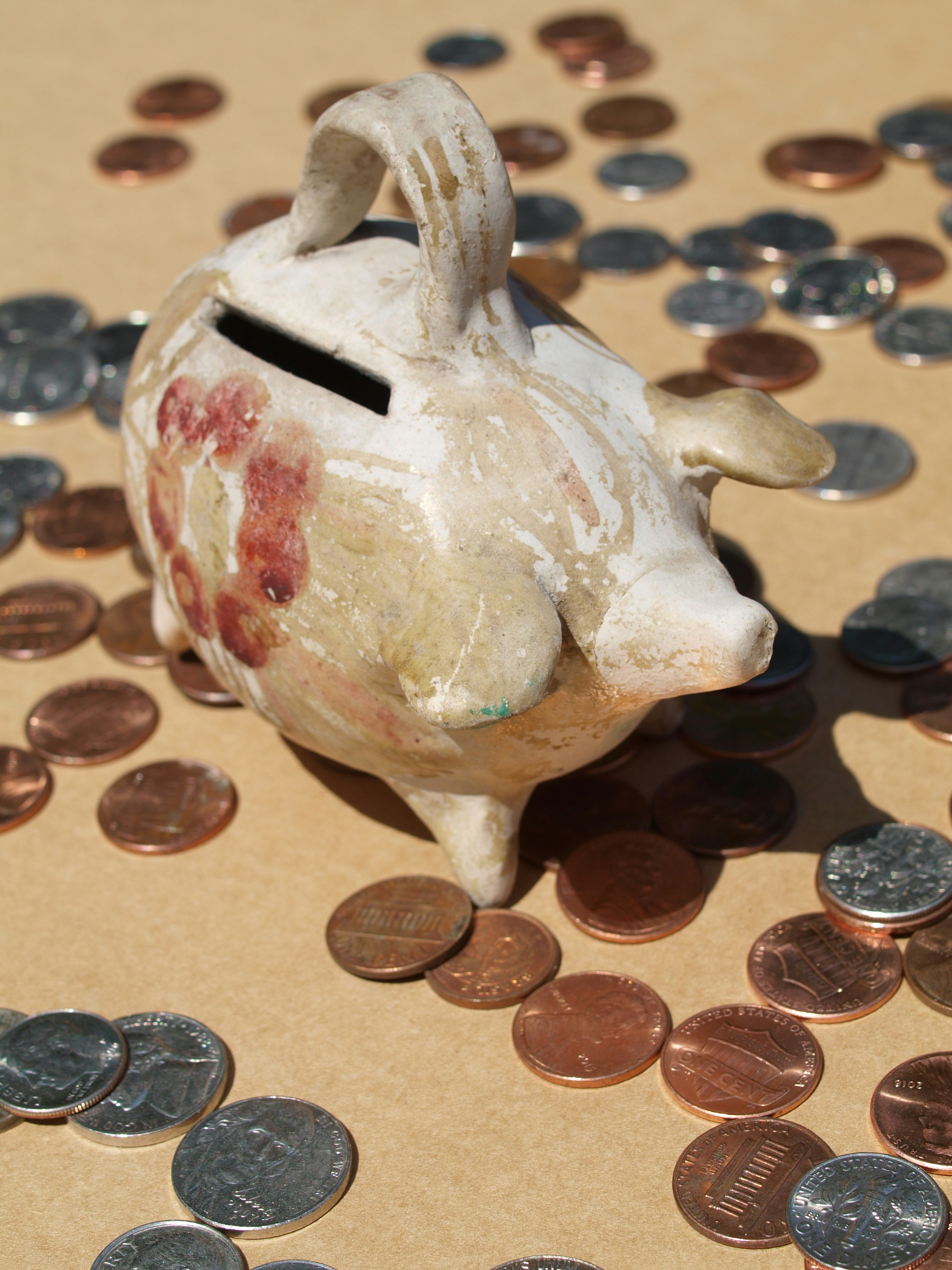
The role of feedback loops in spending: why one purchase quietly becomes a pattern
A recent survey found that 62% of consumers who make an impulse purchase end up regretting it, and yet 81% of people made at least one impulse buy in the…
A recent survey found that 62% of consumers who make an impulse purchase end up regretting it, and yet 81% of people made at least one impulse buy in the past year anyway. You know the moment: you buy something to feel better, you feel the familiar wave of guilt an hour later, and somehow that guilt makes you want to buy something else to feel better again. It's not that you don't learn from the first purchase. It's that the purchase and the feeling it produces are wired together in a loop, and the loop, not your character, is running the show. This article breaks down what feedback loops actually are, why your brain builds them without asking your permission, and the specific points where you can interrupt one before it finishes the circuit.
Table of contents
Key takeaways
| Point | Details |
|---|---|
| A feedback loop is a cycle, not a single decision | The outcome of one purchase (relief, guilt, points, a notification) becomes the input that shapes the next one. |
| Loops can reinforce or correct | Positive loops amplify spending (rewards, streaks); negative loops like checking your balance tend to slow it down, which is why avoiding your bank app backfires. |
| Unpredictable rewards are the strongest hook | Your brain responds more intensely to variable, unpredictable payoffs than to consistent ones, a finding that dates back to B.F. Skinner's original reinforcement research. |
| Regret often restarts the loop instead of ending it | Shame after a purchase can trigger the same discomfort that caused the original spending, which keeps the cycle running. |
| Small, specific interruptions work better than willpower | Adding friction, naming the emotion, and checking in regularly outperform trying to simply want it less. |
What is a feedback loop in spending?
A feedback loop, in the simplest terms, is any system where the output of an action becomes part of the input for the next one. In spending, that means the result of a purchase, whether that's relief, a reward notification, or a wave of guilt, doesn't just sit there. It feeds back into your brain and changes how likely you are to do it again, and how intensely.
You've lived inside more than one of these loops already. There's the one where a hard day leads to an online order, the order gives you twenty minutes of relief, and the relief wears off right around the time the guilt about the charge shows up, which creates its own discomfort that makes another purchase feel tempting again. There's also the loop built on purpose by a loyalty program: every dollar you spend earns points, the app shows you creeping toward a reward tier, and that visible progress pulls you toward spending more to close the gap. And there's the quieter one, where you stop checking your bank balance because it stresses you out, which removes the one signal that would have naturally slowed you down.
Behavioral scientists describe feedback loops as cycles of information that either encourage behavior (positive feedback) or discourage it (negative feedback). Both are doing something to your spending right now, usually without your noticing. The table below makes the distinction concrete.
| Feature | Positive feedback loop | Negative (corrective) feedback loop |
|---|---|---|
| What it does to spending | Amplifies it, pulls you toward repeating the behavior | Slows it down, creates a natural check |
| Common example | Rewards points, streaks, "you're so close to free shipping" | Checking your account balance, a monthly spending review |
| How it feels | Exciting, urgent, momentum-building | Uncomfortable at first, then stabilizing |
| What breaks it | Removing the visible reward or progress marker | Avoiding it entirely, which is exactly what makes it stop working |
A feedback loop isn't a character flaw running in the background. It's a system doing exactly what it was built to do, whether that system was built by a marketing team or by your own nervous system trying to cope.
Why feedback loops happen: key psychological drivers
Your brain didn't evolve to resist feedback loops. It evolved to learn from them, fast, because in most of human history a loop that reliably produced food or safety was worth repeating without a debate. Spending hijacks that same machinery. Here are the five mechanisms doing the heavy lifting.
- Variable reward schedules. In B.F. Skinner's original research, animals that received unpredictable reward sizes pressed a lever far more compulsively than animals getting the same reward every time. Your brain treats uncertainty as more compelling than consistency, which is why a surprise discount or a mystery reward tier pulls harder than a reliable 10% off coupon ever could.
- Reward anticipation. The anticipation of a purchase, not the purchase itself, produces a lot of the chemical payoff. By the time you're adding something to your cart, your brain has already gotten most of what it came for, which is part of why the item itself can feel oddly flat once it arrives.
- Negative reinforcement through relief. When spending relieves something uncomfortable (stress, boredom, loneliness), the relief itself trains your brain to reach for the same tool next time. This is a loop that reinforces through subtraction: it works by making a bad feeling go away, not by adding a good one.
- Avoidance that removes the natural brake. Research tracking millions of banking app logins found that people systematically avoid checking their account when they suspect bad news, and that regular checkers show roughly 60 to 70% less swing in their discretionary spending than people who avoid looking. Avoidance doesn't protect you from the loop. It disables the one mechanism that would have interrupted it.
- Visible progress and social signals. Streaks, tiers, and "you're almost there" progress bars turn an ordinary purchase into something that feels like advancement rather than spending. That reframing is doing real psychological work, and it is not an accident.
💡 Pro tip: before you act on an urge to buy something, name what the loop is actually running on. Is this relief from a feeling, or pull toward a reward you can see? Just labeling it ("this is the relief loop" or "this is the points loop") pulls the decision partway out of autopilot.
None of this means your brain is broken. You're not undisciplined. You've built a working loop, one that your nervous system assembled honestly, out of relief and reward signals that happened to involve money. Understanding the role of dopamine in spending makes it easier to see the mechanism clearly instead of mistaking it for a flaw in you.
How environment and digital cues trigger spending loops
Feedback loops don't run in a vacuum. They're triggered, reinforced, and sped up by the environment you're spending in, and increasingly that environment is a phone screen specifically engineered to keep the loop going.
The stimulus-organism-response (S-O-R) model is a useful lens here. A trigger (stimulus) hits your emotional state (organism), which produces a purchase (response). You're not really reacting to the product. You're reacting to a sequence of cues that someone designed to make the loop close faster and start over sooner.
The data on how well this works is striking:
| Loop mechanism | Measured effect |
|---|---|
| Instant cash-back rewards | Customers spent 68% more in the following two weeks compared to shoppers without the instant reward |
| Loyalty programs overall | Associated with roughly a 20% increase in purchase frequency |
| Avoiding your bank balance | Correlated with 60 to 70% more volatility in discretionary spending |
A few environmental triggers worth watching for in your own routine:
- Progress bars and "almost there" messaging tied to a reward tier or free shipping threshold
- Push notifications timed to evenings or weekends, when willpower is already lower
- Seeing a friend's or influencer's purchase on social media, which functions as social pressure dressed up as content
- Saved payment information that removes the one small pause a typed card number used to provide
Building awareness of your own spending patterns is less about judging each purchase and more about noticing which loop you're inside of before it completes.
The real costs: regret, stress, and emotional aftermath
Here's the part that keeps a feedback loop running longer than it should: the aftermath of a purchase often restarts the very feeling that caused it in the first place.
Sixty-two percent of people who make an impulse purchase regret it, and 34% say it causes them real financial stress. That regret isn't a clean ending. It's frequently the start of the next lap.
- Shame. "I should know better" thinking doesn't make you spend less next time. It makes the next uncomfortable feeling arrive faster, because now you're managing both the original stressor and the shame about how you handled it last time.
- Financial anxiety. Unplanned spending chips away at savings goals, which is its own source of stress, which is exactly the kind of discomfort the original loop was built to relieve.
- Avoidance. A lot of people respond to a string of regretted purchases by stopping checking their accounts altogether, which, per the research above, removes the one signal that would slow the loop down.
- Relationship strain. Money is consistently one of the most common sources of tension between partners, and a hidden or repeated spending pattern adds friction that has nothing to do with the actual dollar amount.
This cycle has a name worth knowing: the guilt rebound loop, where the discomfort of regret becomes the trigger for the next purchase instead of the brake on it. Recognizing the impulse-guilt cycle for what it is, a loop rather than a character trait, is usually the first moment it loses some of its grip.
💡 Pro tip: the next time regret shows up after a purchase, give it 60 seconds before you do anything else. Ask what you were actually trying to feel, or avoid feeling, right before you bought it. That single question does more to interrupt the guilt rebound loop than any amount of self-criticism.
Practical strategies to break the loop
A feedback loop breaks the same way it formed: through structure, not through a single moment of resolve. Here are five places to intervene, starting with the easiest.
- Remove the visible progress marker. Turn off "you're close to your next reward" notifications and hide your loyalty point balance if your app allows it. Out of sight genuinely interrupts a positive feedback loop, because the loop depends on you seeing the progress.
- Add a deliberate pause before checkout. A short waiting period, even just moving something to a wish list overnight, breaks the direct line between urge and purchase that the loop relies on to close fast.
- Build a regular, low-stakes check-in. Rather than avoiding your balance (which fuels the loop) or obsessively monitoring it (which can create its own anxiety loop), pick a specific, low-pressure time each week to look. This mirrors the real-time nudges that research shows work better than willpower alone.
- Add friction on purpose. Remove a saved card, require a manual password entry, or switch a category of spending to cash. Friction-maxxing sounds like a chore, but a little deliberate inconvenience is one of the most reliable loop-breakers available.
- Replace the reward, don't just block it. If the loop runs on relief, find a non-financial version of that relief (a walk, a text to a friend, five minutes of doing nothing) before you remove the financial one. A loop with no replacement tends to just find a new path back to spending.
Additional habits worth layering in:
- Unsubscribe from promotional emails and texts that exist specifically to restart the loop
- Keep a short log of what you bought and what you were feeling right before, so patterns become visible instead of invisible
- Set a specific dollar-per-hour-worked comparison for bigger purchases, which slows the anticipation phase down just enough to think
💡 Pro tip: pick one loop to interrupt this week, not five. A feedback loop that's taken months to build doesn't need to be dismantled in a single afternoon, and trying to fix everything at once is its own kind of setup for the guilt rebound loop.
Why willpower isn't enough (and what works instead)
Here's where most advice about spending goes wrong: it treats the loop as a discipline problem, something you should be able to out-want. But willpower is the first resource to run low when you're stressed, tired, or emotionally depleted, which is precisely the condition that opens most spending loops in the first place.
Blaming yourself for losing a fight against a system built out of your own nervous system's relief wiring, reinforced by notifications, progress bars, and reward schedules specifically engineered to be unpredictable, is a little like blaming yourself for being cold in a snowstorm without a coat. The problem isn't your resolve. It's that you showed up without the right gear for the conditions.
What actually interrupts a feedback loop is changing the structure around it: removing the visible reward, adding a specific pause, replacing the relief with something that doesn't cost money, and checking in regularly instead of avoiding the data entirely. Understanding why willpower alone tends to fail is less about giving up on change and more about aiming the effort somewhere it can actually work. Curiosity about your own loops gets you further than punishment ever will.
Ready to see your own loops?
If this gave you language for a pattern you'd already noticed but couldn't quite name, that's the point. The next useful step isn't a stricter budget. It's a clearer look at which specific loops are running in your own spending.
Take the spending personality quiz to get a clearer picture of your own triggers and the loops most likely to catch you off guard. Impause was built around exactly this kind of pattern recognition: no shame, just a clearer view of the system you're actually working with.
Frequently asked questions
What is a feedback loop in spending psychology?
A feedback loop in spending is a cycle where the result of a purchase, such as relief, guilt, or a reward notification, feeds back into your brain and changes how likely you are to repeat the behavior. Positive loops amplify spending, while negative loops like checking your balance tend to slow it down.
Why do I keep spending even when I regret it afterward?
Regret and guilt can trigger the same emotional discomfort that caused the original purchase, which restarts the loop instead of ending it. This is sometimes called the guilt rebound loop, and it's a pattern, not a sign of weak willpower.
How do loyalty programs and rewards create spending loops?
Research from Northwestern's Spiegel Research Center found that customers receiving instant cash-back rewards spent 68% more in the following two weeks than those without instant rewards. Visible progress toward a reward tier works the same way, pulling you toward spending more to close the gap.
What's the fastest way to interrupt a spending feedback loop?
Removing the visible reward signal (like a points balance or progress notification) and adding a short, deliberate pause before checkout are two of the fastest, lowest-effort ways to break the cycle, more reliable than trying to simply want the purchase less.